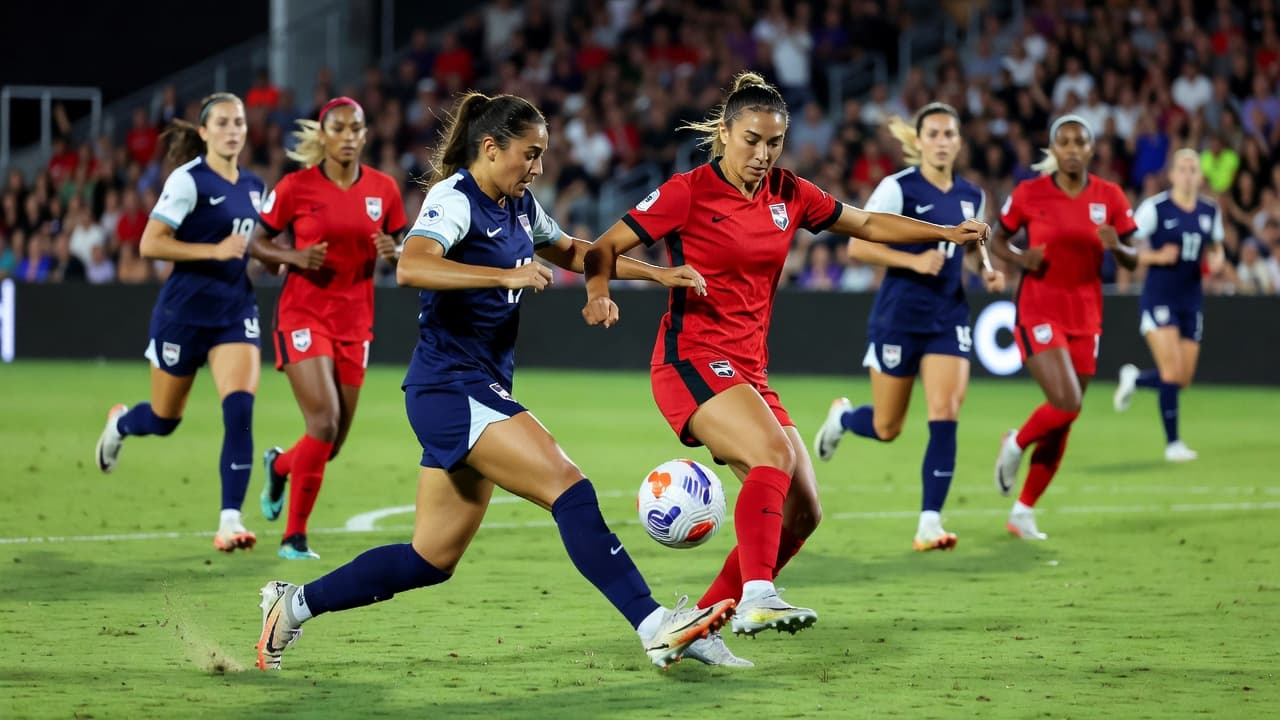
How Modern Pressing Structures Are Influencing Outcomes
NWSL teams have increasingly adopted structured high-pressing systems this season, with several clubs using specific triggers to disrupt opponents in central areas. These approaches are altering how midfield battles unfold and forcing coaches to adjust build-up patterns from the back.
Teams that excel at identifying moments when the opponent plays into midfield with limited options have gained a measurable edge. The triggers often involve coordinated movements from wide forwards dropping into half-spaces, creating numerical advantages that allow midfielders to step forward and regain possession higher up the pitch.
Tactical Adjustments Across the League
Coaches are responding by varying their build-up tempo and incorporating more direct passes to bypass the initial press. This has led to a noticeable increase in long balls from center backs during certain phases of matches, particularly when teams face opponents known for aggressive front-line pressing.
Data from the first half of the 2026 campaign shows that sides with clearly defined pressing triggers are converting turnovers into shots at a higher rate than in previous seasons. The trend has prompted tactical staff to spend additional time on video analysis of opponent habits.
The evolution also highlights the growing importance of athletic midfielders who can cover ground quickly after losing possession. Clubs that invested in this profile during the offseason are now seeing the benefits in league standings.
Implications for Future Matches
As the season progresses, expect continued refinement of these pressing schemes. Teams that can disguise their triggers or switch between multiple pressing intensities will likely maintain an advantage. This tactical layer adds another dimension to an already competitive league and underscores why detailed preparation between matches has become essential.
The shift toward more sophisticated pressing is not limited to top-table sides. Mid-table clubs have also adopted elements of these systems, contributing to tighter scorelines and fewer open games in recent rounds.