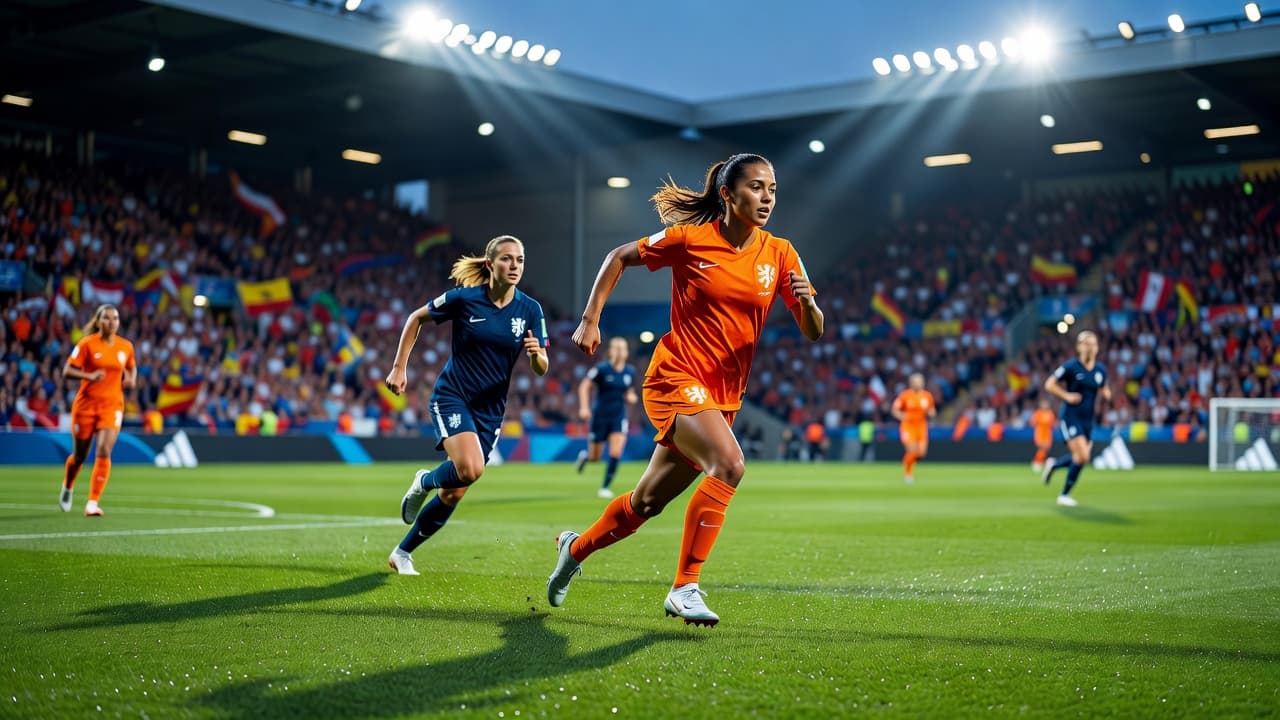
Dutch Approach Emphasizes Seamless Transition
The Netherlands women’s national team has begun integrating a new generation of players into the senior setup as part of its long-term planning for the 2027 World Cup cycle. Recent training camps have featured several under-23 talents who have already shown promise at club level in both domestic and European competitions.
Head coach Andries Jonker has stressed the importance of gradual exposure rather than rushed introductions. The strategy involves bringing young players into low-stakes environments first, allowing them to adapt to senior demands without immediate pressure from major tournament qualification.
Key Players in the Pipeline
Several midfielders and defenders have been highlighted for their technical quality and tactical awareness. These players are being paired with experienced teammates during sessions to accelerate their understanding of the national team’s preferred structures.
The federation has also invested in additional support staff focused on player welfare and load management, recognizing that many of these athletes are still balancing club and international commitments.
This measured approach mirrors successful transitions in previous cycles and aims to avoid the disruption that can occur when too many new faces are introduced simultaneously.
Broader European Context
Other European federations are watching the Dutch model closely. With the 2027 World Cup looming, nations are balancing the need for fresh legs against the stability provided by established stars. The Netherlands’ early focus on integration gives the team a potential advantage in maintaining continuity while refreshing the squad.
Upcoming friendlies will provide further opportunities to test combinations ahead of more competitive fixtures. The federation’s commitment to this pathway suggests the senior team will remain competitive well into the next cycle.