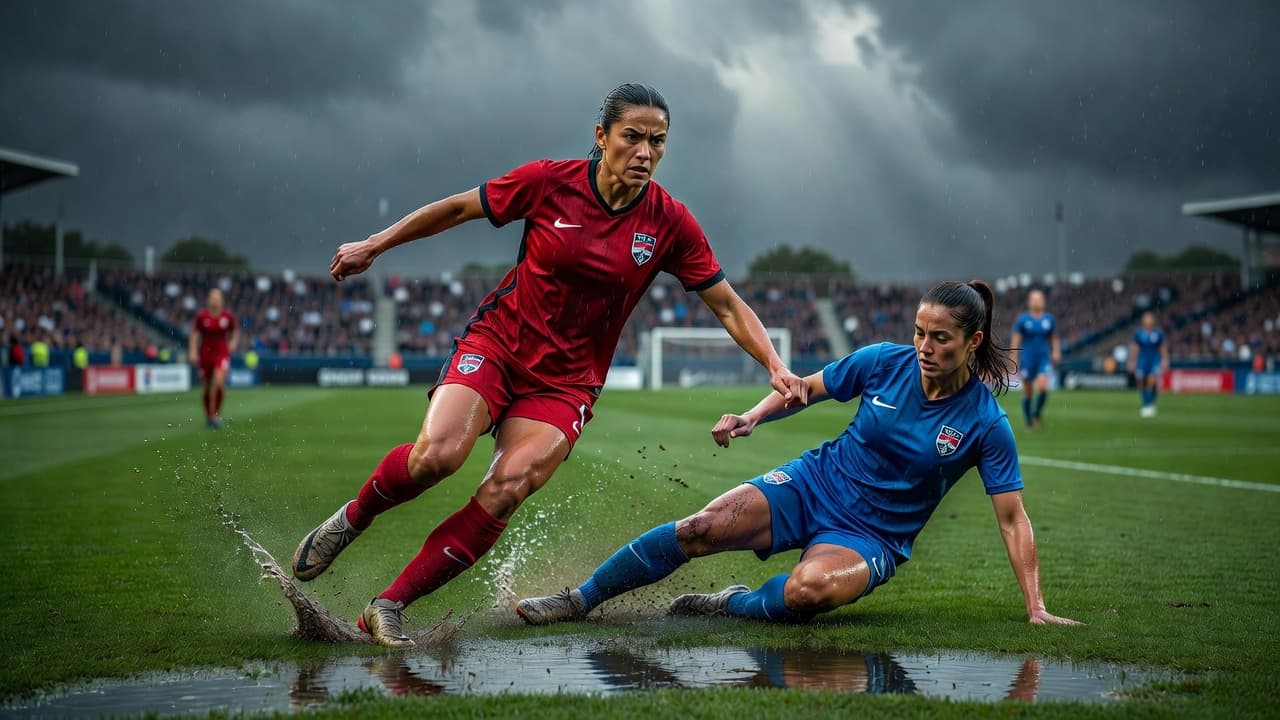
Environmental Factors in Play
The first half of the 2026 NWSL season has featured unusual weather variability across host cities, prompting teams to adapt training and match-day preparations. Heat and humidity in southern markets, combined with late-spring rainfall in the northeast, have altered typical game patterns.
Coaches report increased emphasis on hydration protocols and adjusted warm-up routines. These changes have influenced substitution patterns, with more frequent midfield rotations observed in high-temperature environments.
Tactical Adjustments Observed
Teams playing in warmer climates have shifted toward shorter passing sequences to conserve energy. This has led to fewer long balls and a measurable uptick in possession-based approaches even among traditionally direct sides.
Goalkeepers have also modified distribution strategies, favoring quicker throws over longer kicks when pitch conditions become slick. Data analysts tracking these trends note a correlation between weather-adjusted tactics and reduced high-intensity sprints in the final 15 minutes of matches.
League-Wide Implications
The adaptations highlight the growing role of sports science departments in the NWSL. Clubs with robust support staff appear better positioned to maintain performance consistency regardless of conditions. As the season progresses into summer, these environmental considerations are expected to remain a key variable in match planning and player management.