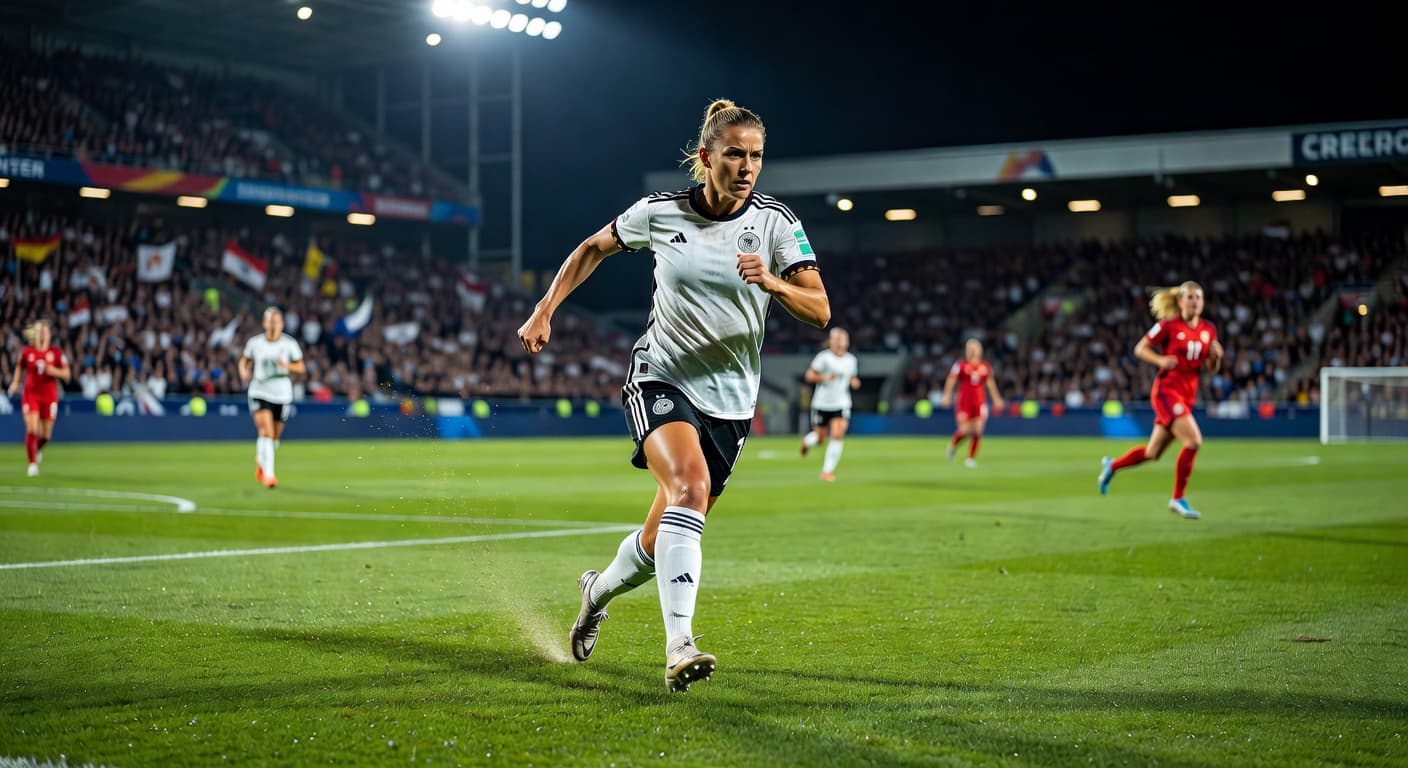
Germany’s Women’s National Team Focuses on Youth and Tactics in 2026
With the 2027 FIFA Women’s World Cup on the horizon, Germany’s Die Nationalelf are in the midst of a strategic rebuild following a disappointing showing in recent international tournaments. As of May 13, 2026, the team is using this year’s friendlies and UEFA Women’s Nations League matches to integrate young talent, refine tactics, and reclaim their status as a global powerhouse in women’s soccer.
Post-2023 World Cup Reflection
Germany’s early exit at the 2023 Women’s World Cup, where they failed to advance past the group stage for the first time in their history, sent shockwaves through the program. Once a dominant force with two World Cup titles (2003, 2007) and eight European Championships, the team has struggled to maintain consistency in recent years. The departure of key veterans and injuries to stalwarts like Alexandra Popp have compounded challenges, prompting the German Football Association (DFB) to prioritize a long-term vision over short-term results.
Under head coach Martina Voss-Tecklenburg, and more recently interim or new coaching staff in 2026, the focus has shifted to blending emerging stars with experienced campaigners. The goal is clear: to peak in time for the 2027 World Cup while reestablishing Germany as a feared opponent on the international stage.
Youth Integration and Key Players
One of the cornerstones of Germany’s rebuild is the integration of players from their successful youth setups. Midfielder Lena Oberdorf, already a household name at just 24 years old in 2026, has emerged as the linchpin of this transition. Her versatility, vision, and defensive tenacity make her a natural leader for the next generation. Oberdorf’s performances for club and country have drawn comparisons to past German greats, and she is expected to anchor the midfield for years to come.
Other rising talents, such as forward Jule Brand and defender Sophia Kleinherne, have also caught the eye in 2026 friendlies. Brand’s pace and finishing ability offer a dynamic attacking threat, while Kleinherne’s composure at the back suggests she could form a long-term partnership with veterans like Marina Hegering. These young players are being given significant minutes in low-stakes matches to build confidence and chemistry.
Tactical Evolution
Tactically, Germany appears to be moving toward a more fluid, possession-based style while retaining their traditional emphasis on physicality and organization. Recent matches in 2026 have seen them experiment with a 4-2-3-1 formation, allowing for greater attacking flexibility while maintaining defensive solidity. This shift aims to address past criticisms of predictability in their play, particularly against top-tier opponents like the USWNT or Spain.
The coaching staff is also focusing on adaptability, preparing the team to switch systems mid-game depending on the opposition. Set-piece execution, historically a strength for Germany, remains a priority, with an emphasis on exploiting aerial dominance through players like Popp when she’s available.
Challenges and Opportunities
The rebuild is not without hurdles. Injuries to key players have disrupted continuity, and the depth of talent in some positions, particularly in goal following Almuth Schult’s retirement, remains a concern. Additionally, the competitive landscape of international women’s soccer has never been tougher, with teams like Spain, England, and the United States setting new benchmarks.
However, 2026 offers Germany a window of opportunity. Friendlies and Nations League fixtures provide low-pressure environments to test lineups and strategies. Success in these games could boost morale and rankings ahead of World Cup qualifiers, while also silencing critics who question whether Germany can return to their former glory.
Why This Matters Globally
Germany’s resurgence—or lack thereof—will have ripple effects across women’s soccer. As one of the sport’s traditional powerhouses, their return to form would intensify competition at major tournaments, pushing other nations to elevate their game. For the NWSL, where several German players ply their trade, a strong national team could raise the profile of the league by showcasing its talent on the world stage.
Looking Ahead to 2027
The road to the 2027 World Cup is long, but Germany’s progress in 2026 will be a critical indicator of their potential. Fans and analysts alike are eager to see if this young core can gel in time to challenge for silverware. Upcoming matches against top-10 ranked teams will serve as litmus tests, offering glimpses of whether Die Nationalelf are truly back on track.
For now, Germany’s rebuild is a work in progress, but the early signs—youthful energy, tactical innovation, and a renewed sense of purpose—suggest they are laying a foundation for future success. NWSL News will continue to monitor their journey as the 2027 World Cup draws closer.