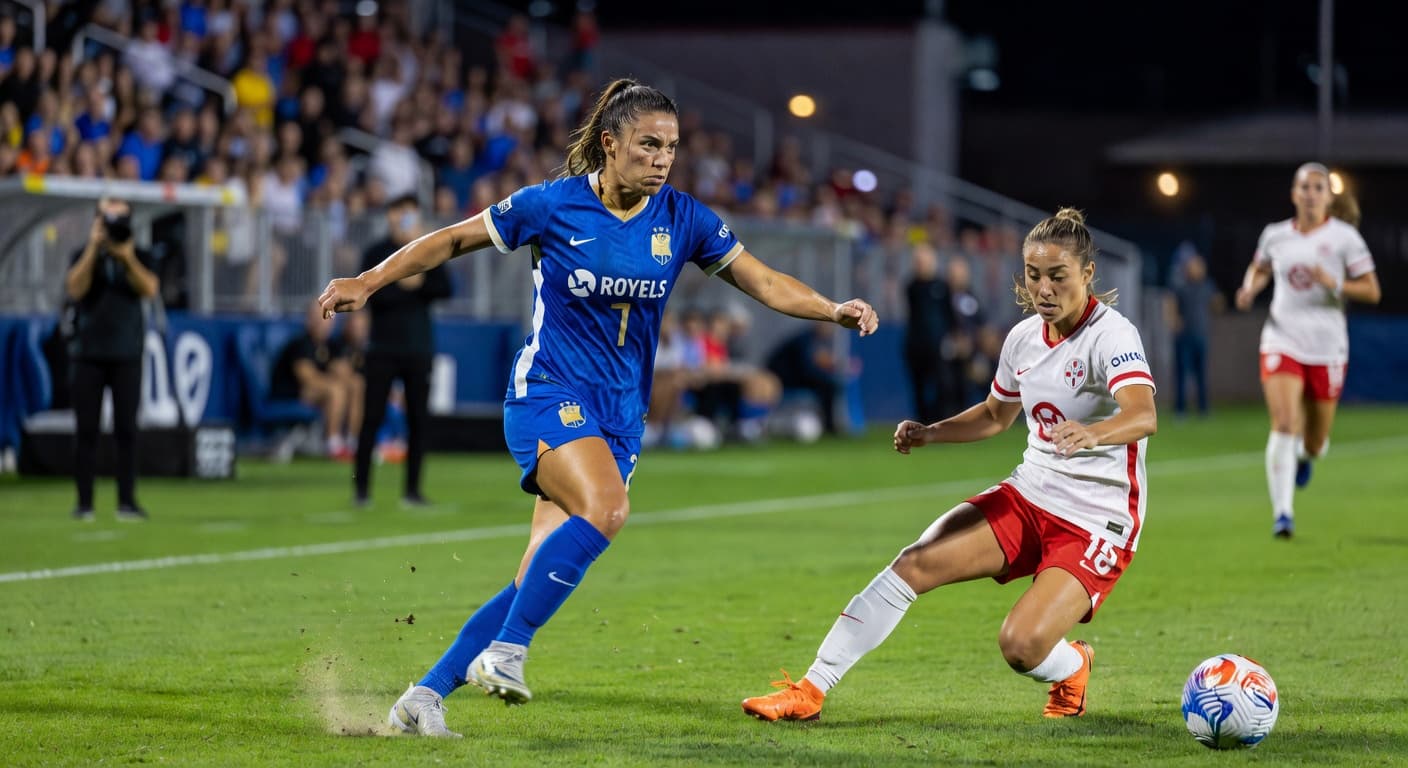
Utah Royals FC Grapple with Identity in 2026 Midseason Slump
As the 2026 NWSL season progresses, Utah Royals FC find themselves in a precarious position, languishing near the bottom of the standings with a string of underwhelming performances. After their re-entry into the league in 2024 following a brief hiatus, the Royals were expected to build steadily toward competitiveness. However, midseason results suggest that their rebuild is facing significant hurdles, with defensive frailties and a lack of attacking cohesion exposing deeper issues within the squad.
A Difficult Run of Results
Utah has managed just two wins in their last ten matches, with their most recent outing—a 2-1 loss to Chicago Red Stars—highlighting persistent problems. The team struggles to maintain leads, often conceding late goals due to lapses in concentration. Statistically, the Royals have conceded an average of 1.8 goals per game, one of the highest in the league, while their attack has mustered only 0.9 goals per game, among the lowest. These numbers paint a picture of a team struggling on both ends of the pitch.
Head coach Amy Rodriguez, a former NWSL star herself, has openly acknowledged the challenges. “We’re a young team still finding our way,” she said in a recent interview. “Every game is a learning opportunity, but we need to start turning those lessons into points.” Rodriguez’s emphasis on development over immediate results reflects the long-term vision for Utah, but with fan patience wearing thin, the pressure to show progress is mounting.
Defensive Woes and Roster Gaps
A major issue for Utah has been their defensive organization. The backline, often anchored by inexperienced players or veterans playing out of position, has struggled to cope with the pace and physicality of opposing forwards. Goalkeeper Mandy Haught has faced criticism for inconsistent performances, though she’s often left exposed by a lack of protection. The absence of a true defensive midfielder to shield the back four has compounded these issues, with opponents frequently finding space in the middle third.
Offensively, the Royals lack a consistent goal-scoring threat. While forward Ally Sentnor, a 2024 draft pick, has shown flashes of brilliance with three goals this season, the team struggles to create chances for her. The midfield’s inability to connect with the forward line has left Utah reliant on individual moments rather than cohesive play.
Rebuild in Progress
Utah’s challenges are not entirely unexpected given their status as a team still in the rebuilding phase. After returning to the NWSL, the franchise has prioritized youth development and long-term sustainability over splashy signings. Their roster boasts several promising talents under the age of 25, and the front office has invested in academy structures to build from the ground up. However, this approach means short-term pain as the team lacks the veteran presence needed to stabilize performances in a competitive league.
The midseason transfer window offered some hope, with Utah bringing in a few depth pieces, but none have made an immediate impact. Analysts suggest that the Royals may need to target a marquee signing in the offseason—a defensive leader or creative midfielder—to accelerate their growth.
Implications for the Season
Currently sitting in 12th place out of 14 teams, Utah is unlikely to make a playoff push in 2026. The focus for the remainder of the season will likely shift to player development and establishing a clearer tactical identity. Rodriguez has hinted at experimenting with formations in upcoming matches, potentially moving to a 3-5-2 to shore up the defense while maintaining width in attack. Whether this experimentation yields results remains to be seen, but it’s a sign that the coaching staff is not content to accept the status quo.
Fanbase and Future Outlook
The Utah fanbase, while supportive of the rebuild, is hungry for signs of progress. Attendance at America First Field remains strong, but social media sentiment reflects frustration with the team’s inability to compete consistently. For the Royals to maintain momentum off the field, they’ll need to demonstrate on-field improvement, even if it’s incremental.
Looking ahead, Utah’s long-term success will hinge on their ability to balance youth development with strategic roster additions. The 2027 season could be a turning point if the current core matures and the front office makes savvy moves. For now, though, the Royals’ midseason struggles serve as a reminder of the challenges facing expansion and rebuilding teams in the increasingly competitive NWSL landscape.